UNESCO World Heritage
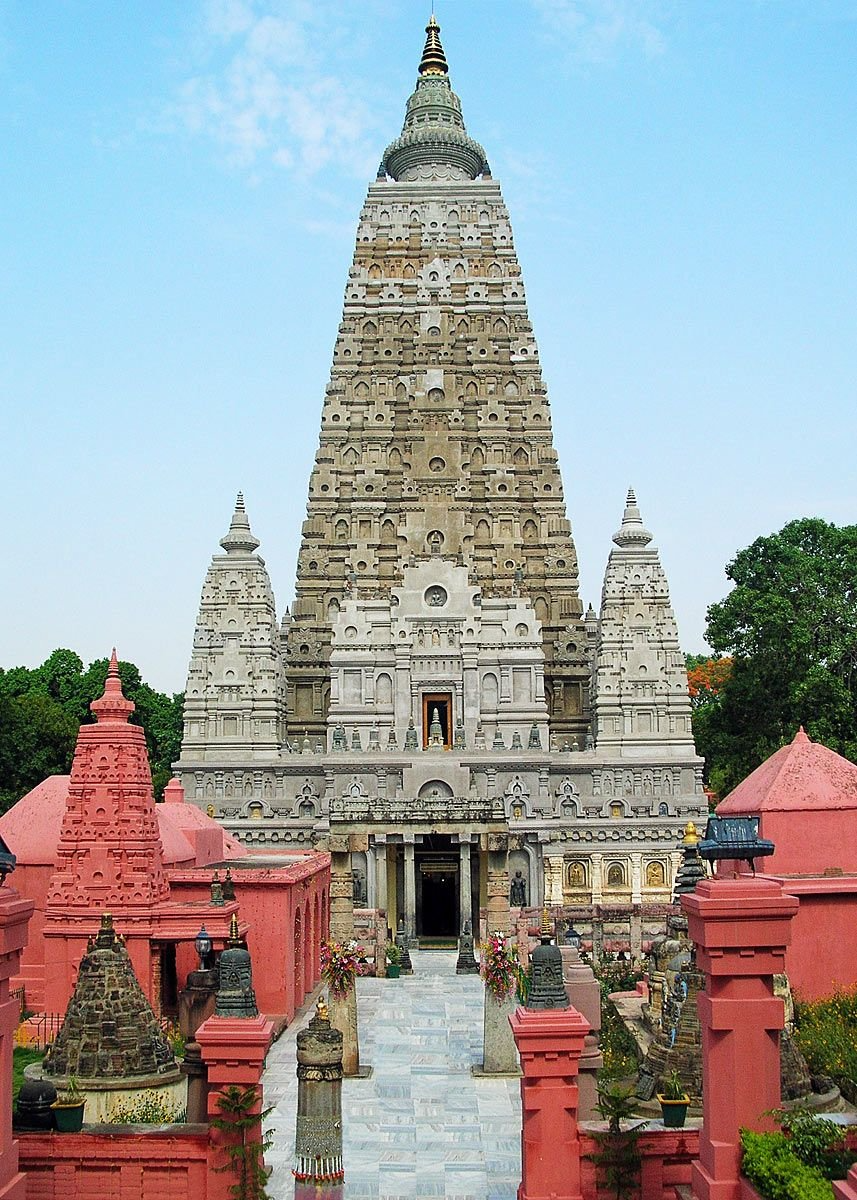
Bodh Gaya
Where Prince Siddhartha became the Buddha beneath the Bodhi tree.
Sacred stupas, river ghats and forest hills — find your own path through the land where India's story began.
Four places that made Bihar the heart of the ancient world.
Where Prince Siddhartha became the Buddha beneath the Bodhi tree.
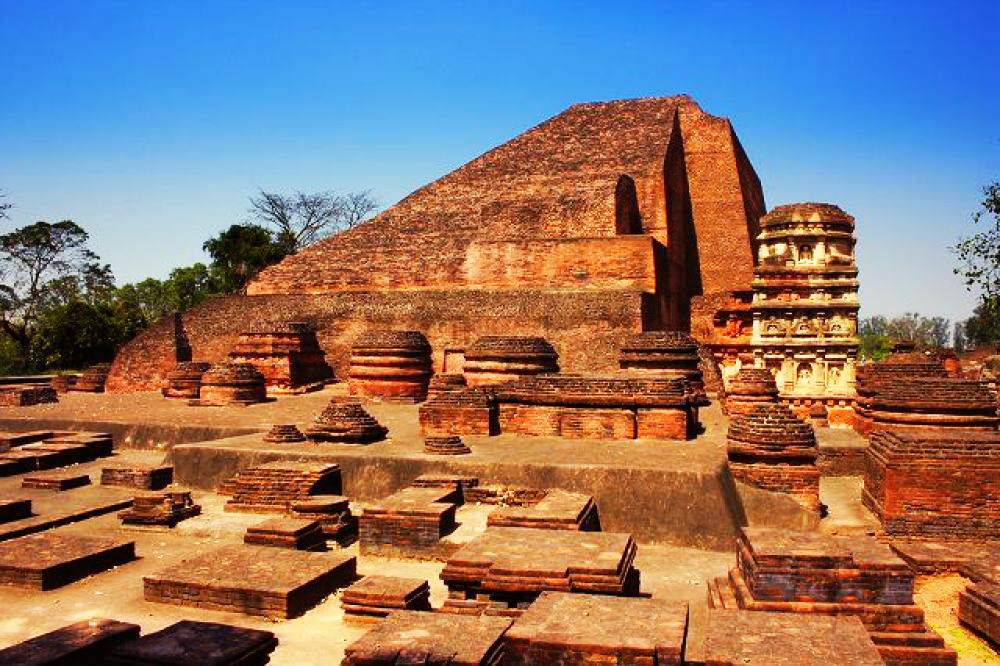
Ruins of the world's first residential university — 10,000 scholars strong.
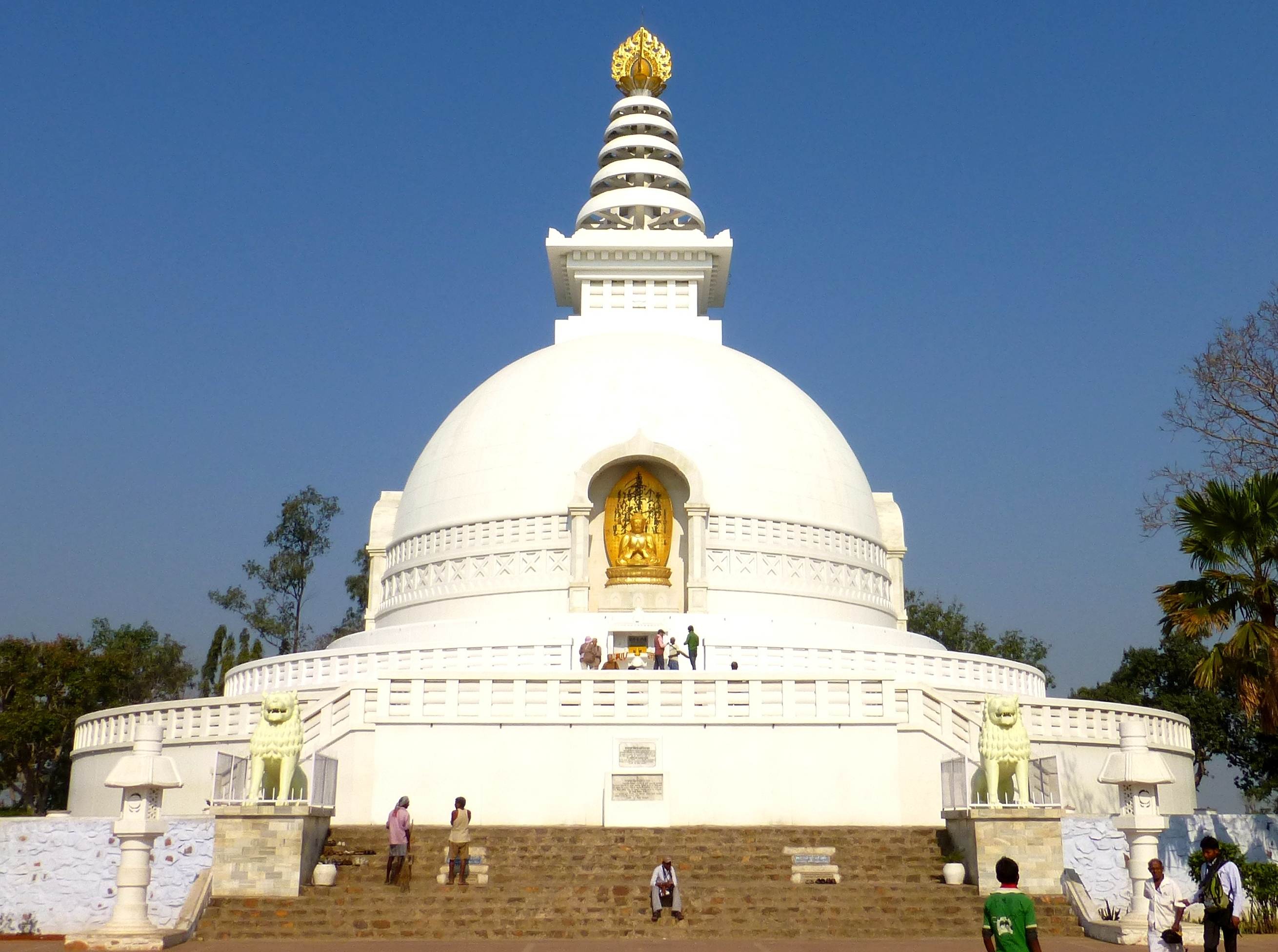
Hill-ringed valley of kings, hot springs and the white Peace Pagoda.
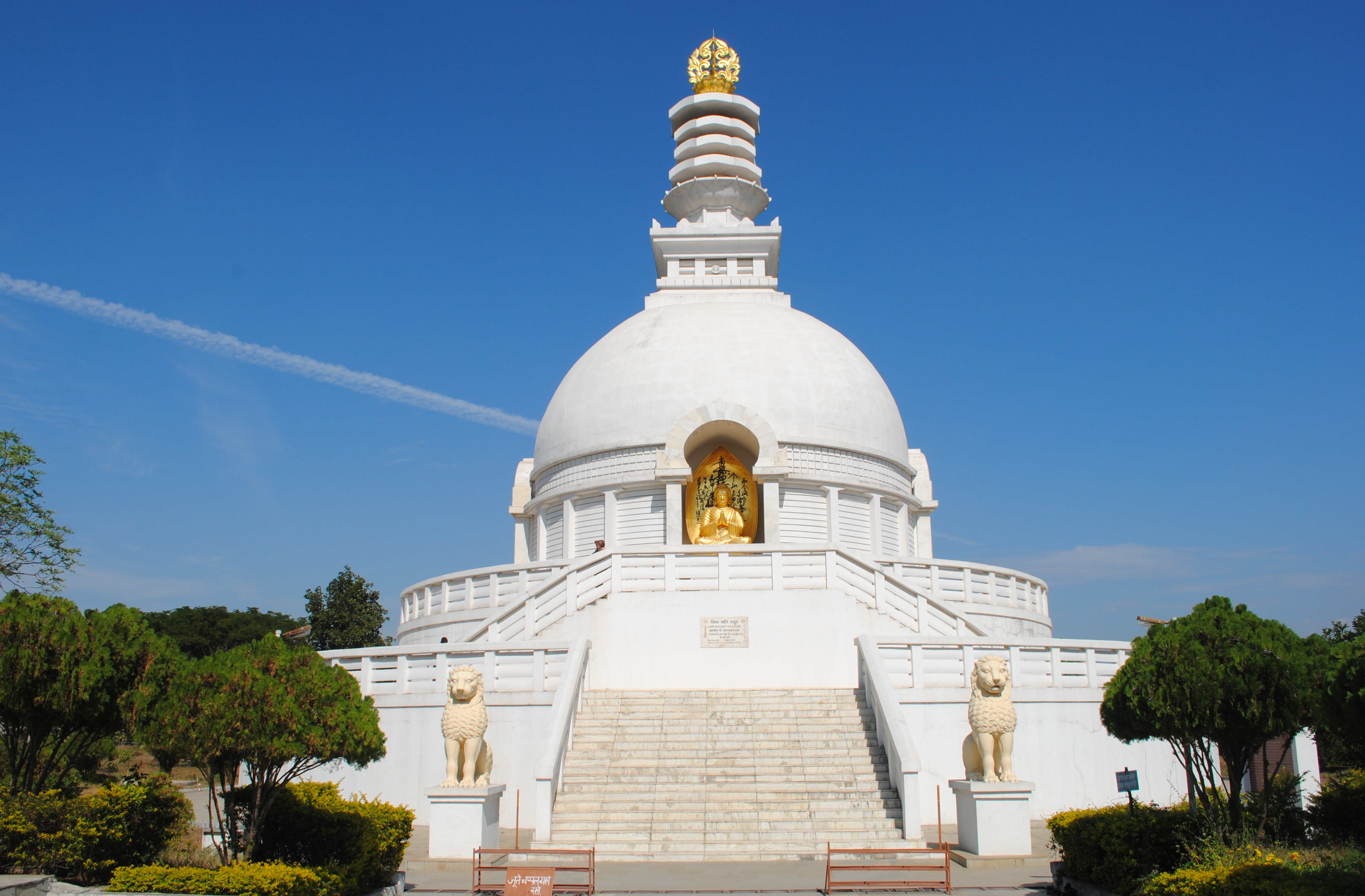
Seat of the Licchavi assembly and site of the Buddha's last sermon.
Time-tested routes that string Bihar's treasures together.
Bodh Gaya → Nalanda → Rajgir → Vaishali → Kesaria Stupa
India's most visited Buddhist trail — from the Mahabodhi Temple to the world's tallest stupa at Kesaria.
Pawapuri → Rajgir → Kundalpur
Lord Mahavira attained moksha at Pawapuri's crystal-pond Jalmandir temple.
Mundeshwari Devi (Kaimur) → Mangla Gauri (Gaya)
Mundeshwari is counted among the world's oldest continuously active temples.
Deo Surya Mandir → Umga Temple → Chhath Ghats
Deo in Aurangabad is India's only west-facing sun temple — heart of Chhath country.
Takht Sri Patna Sahib
One of the five holy Takhts — birthplace of Guru Gobind Singh in 1666.
Maner Sharif → Phulwari Sharif
Centuries-old dargahs of the Qadiriyya order — open to travellers of every faith.
Motihari → Bettiah → Champaran
Where Gandhi launched the Champaran Satyagraha in 1917 — India's first mass movement.
Sitamarhi → Vaishali → Buxar
From Sita's birthplace to Vishwamitra's ashram — Bihar's chapter of the Ramayana.
Tigers, dolphins and a lake of sixty thousand birds.
West Champaran · 898 sq km
Bihar's only tiger reserve — Bengal tigers, leopards and 300+ bird species along the Gandak.
Begusarai · Asia's largest oxbow lake
Over 60,000 migratory birds each winter, from Siberian cranes to painted storks.
Vikramshila, Bhagalpur
India's only sanctuary dedicated to the endangered Gangetic river dolphin — boat tours on the Ganga.
Tap any district on the map to open its guide.